
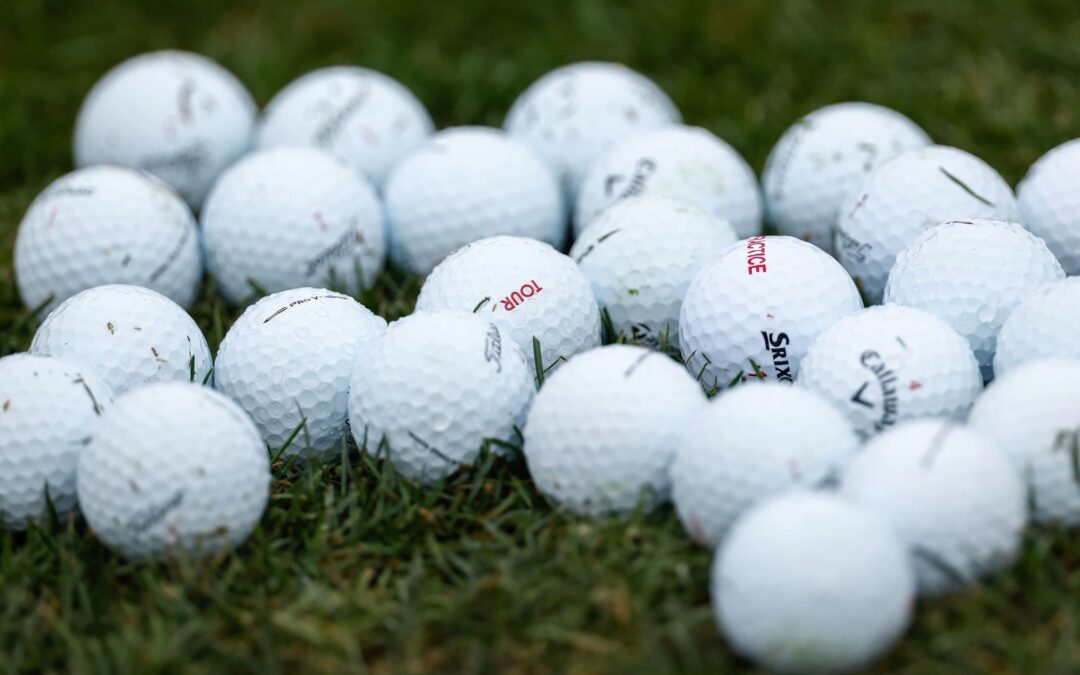
Introduction: Golf, often described as a game of precision and finesse, relies heavily on the equipment players use. One crucial component that can significantly impact your performance on the course is the golf ball. With a plethora of options available in the market today, choosing the right golf ball for your game can be a daunting task. In this blog, we will explore the different types of golf balls in the industry and provide valuable insights to help you make an informed decision when selecting the ideal ball for your play style.
- Understanding Golf Ball Construction: To choose the best golf ball for your game, it’s essential to understand the construction of golf balls. Golf balls consist of several layers that affect their performance and characteristics. The two main types of golf balls are two-piece and multi-layered balls. Two-piece balls offer excellent distance and durability, making them ideal for beginners and high-handicap golfers. On the other hand, multi-layered balls provide enhanced control, spin, and feel, making them suitable for intermediate to advanced players.
- Golf Ball Compression and its Impact: Golf ball compression refers to the density of the ball’s core. Understanding compression is crucial as it affects how the ball reacts when struck. Low-compression balls are softer and compress more, providing increased distance and a softer feel. They are suitable for golfers with slower swing speeds. High-compression balls are harder and offer more control, making them ideal for golfers with faster swing speeds. Selecting the right compression level can help optimize your performance on the course.
- Spin Rates and Golf Ball Performance: Spin rates play a vital role in controlling the trajectory, distance, and accuracy of your shots. Golf balls with low spin rates minimize sidespin, reducing the chances of the ball veering off target. These balls offer more forgiveness and are great for beginners and high-handicap players. Conversely, high-spin balls provide greater control and work well for experienced players looking to shape shots and maximize spin around the greens.
- Matching Golf Ball Construction to Your Skill Level: Choosing the right golf ball construction based on your skill level is crucial. For beginners, two-piece balls are recommended due to their durability, distance, and affordability. Intermediate players can benefit from multi-layered balls that offer a balance between distance and control. Advanced players, seeking maximum performance, should consider tour-level balls designed for professionals, offering exceptional control, spin, and feel.
- Factors to Consider for Golf Ball Selection: Apart from construction and compression, several other factors should be taken into account when selecting a golf ball. These include:
a) Swing Speed: Your swing speed determines the ideal compression level for your game. b) Feel: Some golfers prefer a softer feel, while others prefer a firmer sensation at impact. c) Short Game Performance: Consider the ball’s ability to generate spin and control around the greens. d) Budget: Determine your budget range and explore options that provide the best value for your money. e) Weather Conditions: Different balls perform differently in varying weather conditions, so choose accordingly.
- Testing and Trial: To find the perfect golf ball for your game, it’s essential to conduct testing and trials. Many golf retailers provide opportunities to try out different balls or offer sample packs. Take advantage of these options to evaluate the performance, feel, and suitability of various golf balls for your swing and game.
Conclusion: Choosing the right golf ball is a critical decision that can significantly impact your performance on the course. By understanding what golf ball works best with your swing can easily save you a few stroke a round and make your BOX more putts.